US & THEM
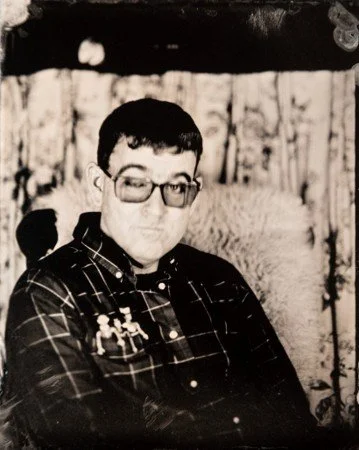
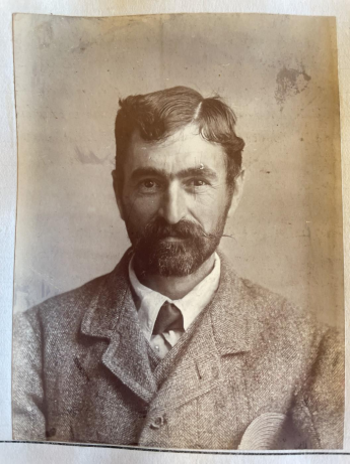
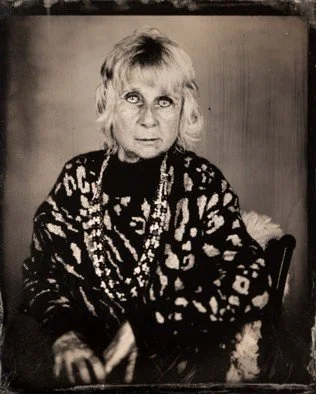
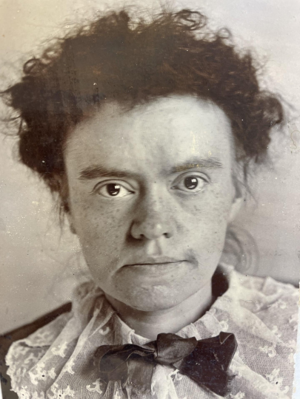
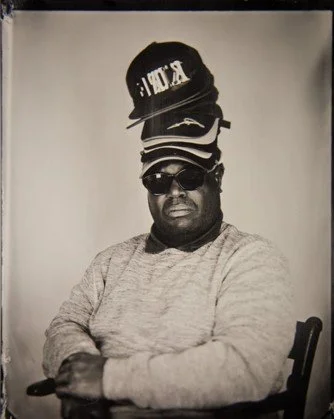
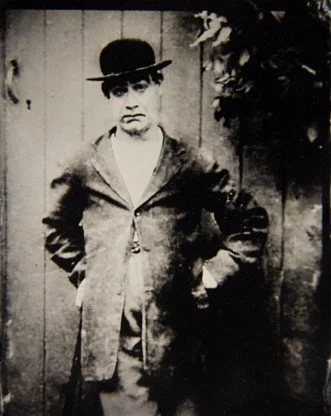
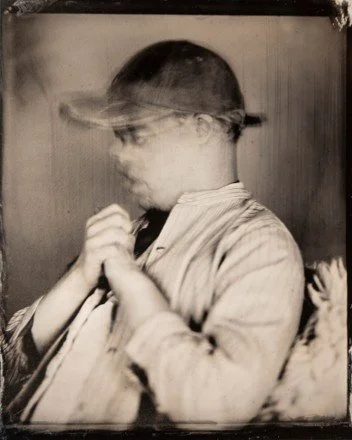
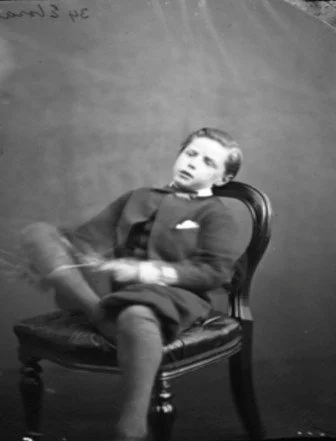
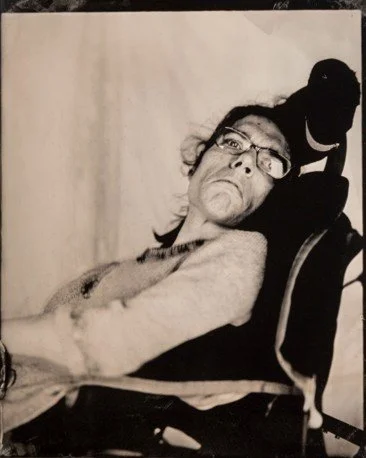
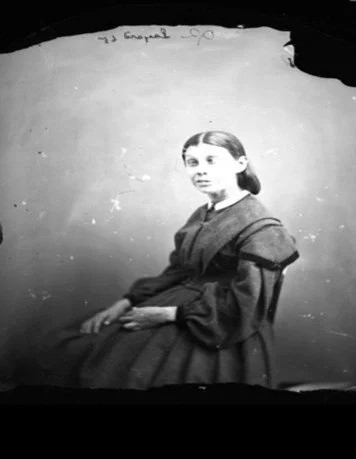
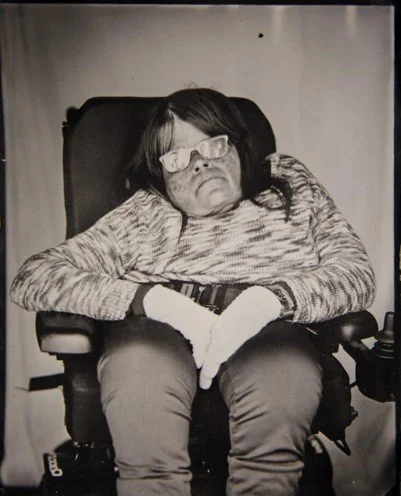
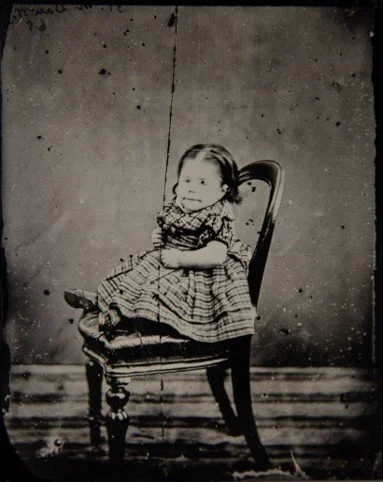
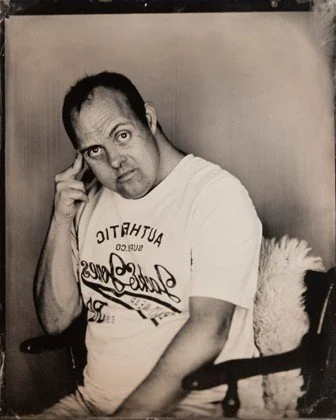
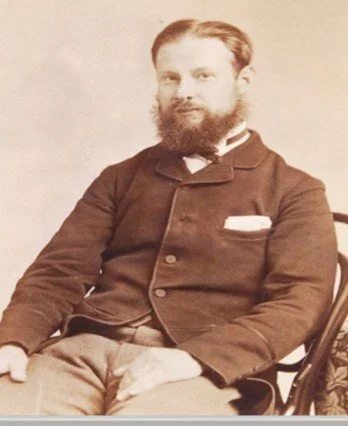
One hundred and fifty years ago, photography was still in its infancy, yet it played a central role in the diagnosis and categorisation of people who would now be described as having learning disabilities or mental illness. Those same photography techniques used to capture the earliest photographs of people with disabilities have been brought into the modern day for fifty Freewheelers artists. Through the practice of making the image, our Freewheelers have been able to gain fascinating insights into the experience of those from the past.
With the expert assistance of Julian Pooley, archivist and manager of the Surrey History Centre who first rescued the original patient portraits, each Freewheeler selected a “friend” in the archives at Surrey History Centre whose portrait will be displayed alongside their own. The centre is home to one of the largest and oldest collections of diagnostic photographs and medical treatment records relating to people with learning disabilities. Many of these records document patients of the Epsom Cluster of asylums, residents of institutions local to the Freewheelers.
Although historical medical terminology such as “idiot”, “hysteric”, and “imbecile” has been replaced by “learning disabled”, and institutionalisation has given way to person-centred care, Us & Them asks us to consider the short expanse of time that separates the use of terms like ‘imbecile’ from ‘person with learning disabilities’. By composing their own portraits, today’s Freewheelers give voice and visibility to their silent “friends in the archive”, bringing into focus the humanity often erased by the diagnostic gaze.
There is a person behind the picture, and it takes Us to find Them.
WHAT FREEWHEELERS SAY
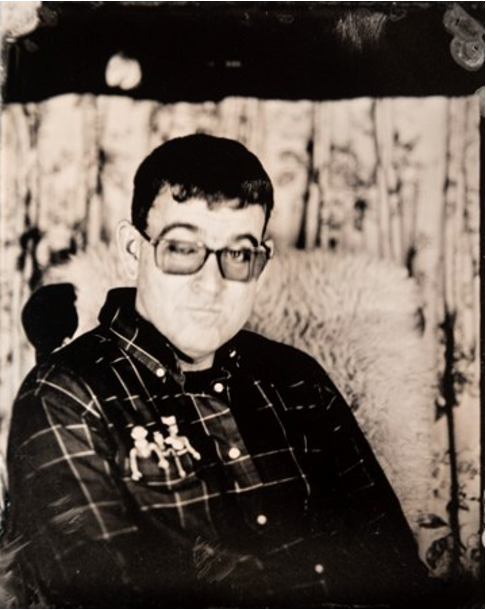
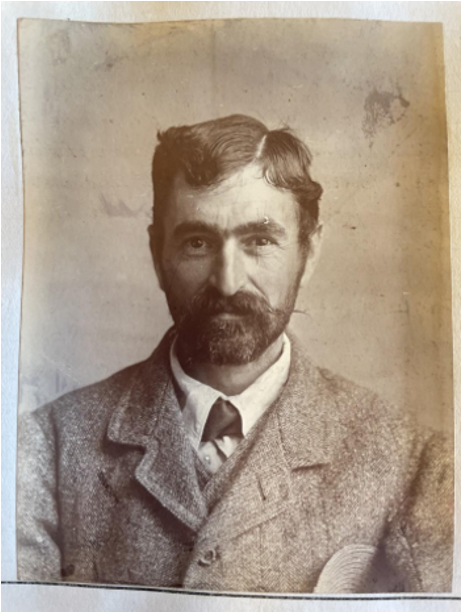
“I feel like I have taken a step into the past…
I would want to ask George how his fascination with music started? I think music, especially classical music, really helped me when I couldn’t communicate.
I wonder if music ever helped with his condition?”
Nick Russell - Freewheeler
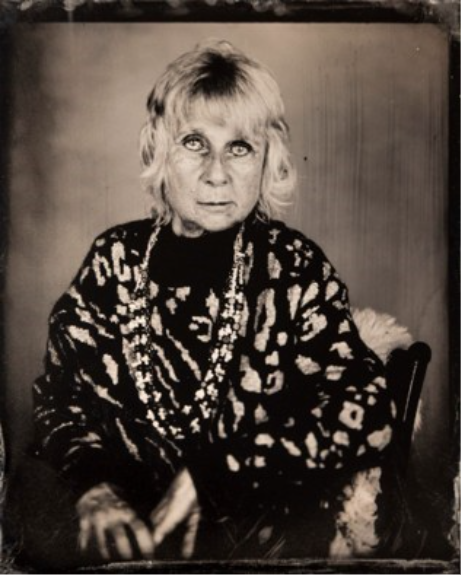
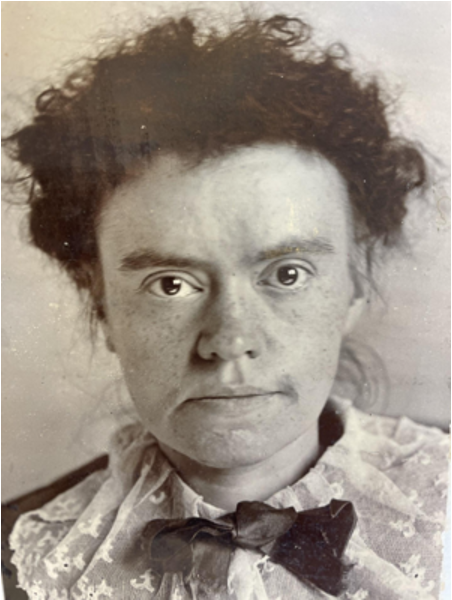
“Ada’s defiant look appealed to me.
I can understand totally how she wanted to retain her independence.”
Terri Winchester - Freewheeler